

When considering solar energy for your home, factors like location are important, but the orientation and angle of your roof are equally significant. These structural aspects determine how much sunlight your panels receive, directly influencing energy production and long-term savings. Solar providers like Freedom Forever evaluate a home’s roof angle, direction and shading to design systems that deliver reliable long-term output.
Understanding how roof positioning affects solar performance lays the groundwork for informed system design choices. From the direction panels face to their tilt angle, each detail contributes to the overall efficiency and savings of your solar energy system.
Contents
Why Roof Orientation Matters
A roof’s orientation, or the direction it faces, plays a key role in how much sunlight a solar system receives. In most parts of the Northern Hemisphere, south-facing roofs are ideal because they capture steady sun exposure from morning through late afternoon. That consistent light supports stronger, more reliable energy production.
East- and west-facing roofs can still work well, though they typically generate a bit less power overall. East-facing panels perform best in the morning, while west-facing panels peak in the afternoon. For homes with higher electricity use later in the day, a west-facing setup may actually be more effective.
North-facing roofs usually receive the least sunlight and are less suitable for solar in most U.S. regions. When southern exposure is limited, installers may look at options like ground-mounted systems or adjusted tilt angles to improve performance.
How Tilt Affects Solar Output
Tilt angle refers to the vertical slant of the solar panel. It determines how directly sunlight strikes the surface and is often set based on the home’s geographic latitude.
In southern states like Florida or Arizona, optimal tilt typically falls between 20 and 30 degrees. In northern states like Michigan or Massachusetts, angles of 35 to 45 degrees help panels capture more sunlight, especially during winter when the sun sits lower in the sky.
Tilt also affects how well panels shed water, snow or debris. Steeper angles can keep surfaces cleaner with less manual upkeep, supporting more consistent production throughout the year.
Balancing Seasonal Output with Year-Round Needs
Solar production naturally shifts with the seasons. In summer, the sun is higher in the sky, so lower tilt angles tend to perform better. In winter, when the sun sits lower, steeper angles can help panels capture more light. Most residential systems use a fixed tilt that balances these seasonal changes and performs well across the entire year.
Some systems use adjustable or motorized mounts to change tilt with the seasons, but these options are less common in residential settings due to higher cost and added complexity. For most homeowners, a carefully chosen fixed tilt provides a strong balance between efficiency, simplicity and long-term value.
Roof Type and Surface Area Considerations
The shape and strength of the roof are just as important as its direction and angle. Large, unobstructed surfaces allow for simpler layouts and better panel placement. Roofs with skylights, chimneys or dormers may limit available space and affect how much energy the system can produce.
Before installation, the roof’s condition also needs to be considered. Some older structures may require repairs or reinforcement to support the weight of the panels. Freedom Forever includes these structural checks as part of its system design process, helping homeowners plan with a clear view of what their roof can support over the long term.
Shading Can Limit Ideal Orientation
Even with the right roof orientation and tilt, shading can limit how much energy a solar system produces. Trees, chimneys, neighboring buildings and even other sections of the roof can cast shadows that block sunlight during key hours of the day.
During system planning, installers perform a shading analysis to track how shadows move across the roof throughout the year. This helps identify trouble spots and find the best layout for steady sunlight exposure.
In some cases, technology can help overcome shading challenges. Microinverters and power optimizers allow each panel to operate independently, so a shadow on one panel does not reduce the output of the entire system. These solutions are especially useful when panels must be installed across multiple roof sections with different orientations.
Alternative Mounting Solutions
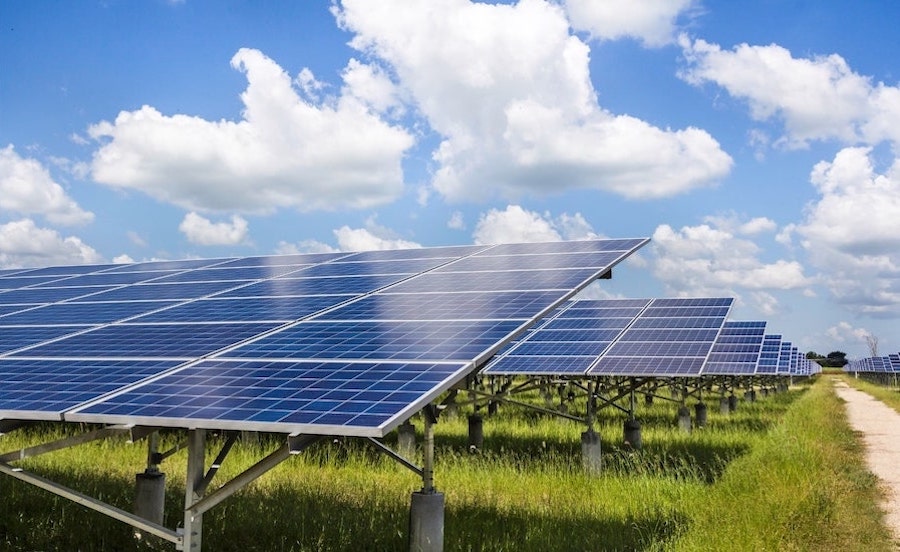
When a roof has limited southern exposure or frequent shading, alternative mounting options can help maximize solar potential. Ground-mounted systems offer the flexibility to position panels at the ideal angle and direction, independent of the home’s roof structure. They are often a good fit for properties with large yards, open land or agricultural space.
Adjustable pole mounts provide another option, allowing panels to tilt seasonally for stronger performance throughout the year. While these systems can boost efficiency, they are typically more expensive and require more maintenance than fixed rooftop setups. For most homeowners, the choice depends on property layout, available space and long-term energy goals.
Matching Roof Orientation to Energy Usage
Solar system design is not just about capturing the most sunlight. It is also about matching energy production to when a household uses the most electricity. For homes with higher energy demand in the afternoon, west-facing panels may be a better fit than south-facing panels, even if they produce slightly less overall.
Utility rate structures can also affect orientation decisions. Some plans charge higher rates during afternoon and evening peak hours. Aligning panel output with these periods can help reduce utility costs and improve the system’s financial return.
During system planning, installers consider both the physical layout of the roof and the household’s energy patterns. When solar production lines up with daily usage, the system becomes more effective at reducing reliance on the grid and controlling long-term costs.
Smart System Design Starts with the Roof
A solar system’s efficiency depends heavily on how well it matches the home’s structure. Orientation, tilt and surface layout are not just technical details. They are critical factors that shape how much sunlight panels can collect and how consistently the system performs over time.
Even if a roof is not perfectly south-facing or has other limitations, thoughtful design choices can still deliver meaningful energy savings. Experienced installers look at every element, from shading patterns to roof strength, to build systems that balance performance with practical realities. Planning with these details in mind helps homeowners avoid surprises and get the most from their solar investment.
Designing for Efficiency from the Top Down
Strong solar performance starts with how well the system fits the home. Orientation, tilt and surface layout all influence how much energy panels can produce over time. By planning carefully around these structural details, homeowners can build systems that deliver steady returns and reliable savings for years to come.
Every roof presents a different opportunity. Whether maximizing a south-facing slope or working around space limitations, thoughtful design makes the most of what the home can offer. With the right plan in place, solar becomes not just a cleaner energy choice but a smarter investment in the futur.

