

The consumption of coffee is a deeply ingrained ritual in many societies around the world. The aroma of freshly brewed coffee beans signals the start of a new day or serves as a companion during a mid-afternoon lull. However, few aficionados may truly appreciate the complex journey these beans take from their origins as a crop to the final product poured into their cups. This article delves into this transformative journey and seeks to enhance the appreciation of your daily cup of joe by illuminating the intricate processes involved in coffee production.
Contents
Origins: The Birthplace of Coffee Beans
Coffee is grown in more than 70 countries, primarily along the equatorial zone known as the “Bean Belt.” Countries across Africa, South America, and Asia boast perfect conditions for coffee cultivation, including the right altitude, climate, and soil health. Various types of coffee originate from different continents, each providing a unique flavour profile influenced by the local environment.
The Process: Farming and Harvesting
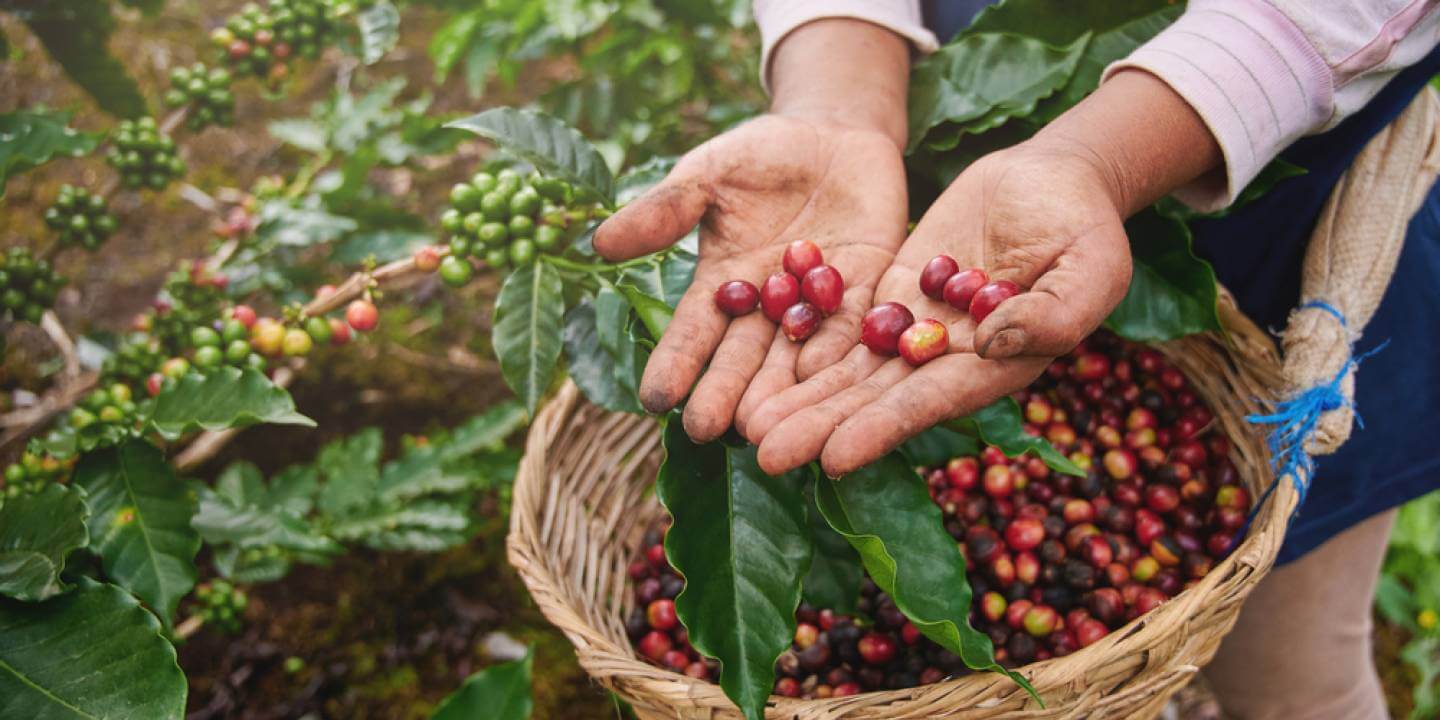
The initial phase in the lifecycle of a coffee bean is the farming stage. It begins with planting the coffee seeds, usually in shaded nurseries. After a period, these seedlings are transplanted into the plantation where they can take anywhere from 3 to 4 years to mature and produce fruit, commonly known as coffee cherries. These cherries are harvested either by hand, which allows for selective picking, or by machine, which is a more expedient but less discerning method.
Cultivation Practices: Embracing Sustainability
As the global demand for coffee increases, the cultivation practices become ever more crucial. Sustainable farming methods are employed to ensure the longevity of coffee production and environmental stewardship. This includes shade-grown coffee, which protects the ecosystem, organic farming without chemical inputs, and fair trade practices that safeguard the welfare of coffee growers.
The Picking Process: A Labour of Love
The harvesting of coffee cherries is a meticulous and labour-intensive process. Depending on the variety, the cherries can ripen at different times, requiring multiple pickings throughout the harvest season. Once picked, the cherries go through a processing method that might be dry, wet, or semi-washed, influencing the final taste of the coffee beans.
Quality Control: The Sorting and Grading
Post-harvest, coffee undergoes rigorous sorting and grading procedures to separate the finest beans from those of lower quality. A combination of machine and hand sorting is often used to eliminate defects and ensure consistent size and colour. The grading process determines the final value of the crop, with specialty coffee beans achieving a higher status and price.
Roasting: Where Flavour Blossoms
After sorting, the beans reached their roasted perfection, where they develop their characteristic rich flavours and aroma. Roasting is both an art and a science, as different roasting times and temperatures create a spectrum of taste profiles from light and fruity to dark and bold. Each batch is carefully monitored to ensure the characteristics of each particular blend are highlighted.
Packaging and Distribution: The Journey to Consumers
Once roasted, the coffee beans are packaged to protect them from air and moisture, which can adversely affect the flavour. The beans are often shipped globally, reaching coffee shops, retailers, and the homes of consumers. At this point in their journey, the coffee beans are ready to be ground and brewed, finally transforming into the beloved beverage known to millions.
The Brewing Experience: The Final Act
Preferences for brewing techniques vary widely, from the traditional drip filter to the modern espresso machine or the simple French press. Each method extracts a distinct flavour from the beans and personalises the final cup of coffee.
Coffee Enthusiasts: A Community of Connoisseurs
Coffee culture has fostered a dedicated community of enthusiasts who not only enjoy their daily brew but also show a keen interest in the provenance and preparation of their coffee. Specialty coffee shops and baristas are at the forefront of this movement, educating consumers about the distinctions between different origins, roasts, and brews.
Education and Appreciation: More than a Beverage
The road coffee travels from crop to cup is long and requires considerable effort, expertise, and passion. By understanding the lifecycle of coffee beans, aficionados can develop a deeper appreciation and enjoyment of their coffee, recognising it as more than just a beverage but as a product of a global intricate process.
The Takeaway: A Deeper Connection with Your Coffee
This journey from crop to cup reaffirms coffee’s status not merely as a commodity but as a craft dedicated to quality and sustainability. Whether enjoying the individual qualities of a single-origin espresso or the complex blend in a cappuccino, the knowledge of what it takes to bring those coffee beans to your cup can enrich the experience, fostering a more mindful and gratifying appreciation of every sip taken.
From the dedicated farmers to the master roasters and baristas, each plays a vital part in the world of coffee. A cup of coffee is the result of a global journey, a confluence of climates and cultures. So perhaps the next time a rich, aromatic cup warms your hands, take a moment to ponder the remarkable odyssey that makes such simple pleasure possible.