

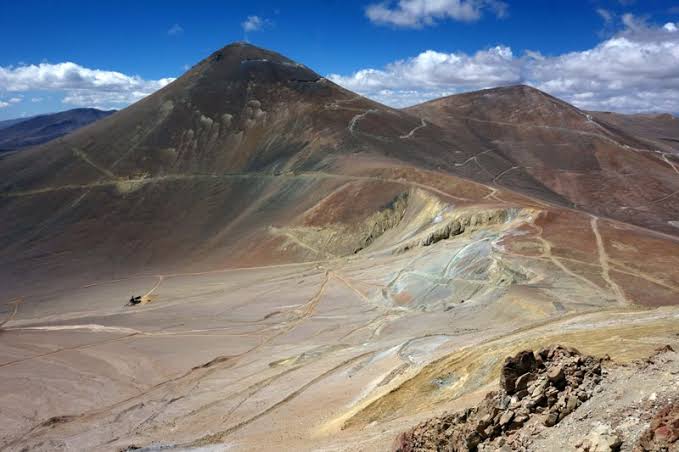
The province of San Juan, Argentina, has long been recognized for its mineral wealth and strategic location in the Andes. As global demand for copper, gold, and silver intensifies, a new generation of mining projects is taking shape — among them, Filo del Sol San Juan, a binational project operated by BHP Group LTD and Lundin Mining Corporation. Beyond its geological promise, the project signals a shift in how mining is integrated with local development and real estate potential.
Balancing Investment with Environmental Memory
San Juan is no stranger to the global mining spotlight. Projects like Veladero — operated by Barrick Gold Corporation (NYSE:GOLD) — have been at the center of both major investments and serious environmental controversies. In 2023, toxic ash was found in the outskirts of the provincial capital, with legal complaints identifying Barrick as responsible. The incident echoed beyond borders, with citizen groups such as Jáchal No Se Toca presenting their case before the International Rights of Nature Tribunal in Toronto, drawing global attention to the ecological consequences of large-scale extraction.
In that context, Filo del Sol San Juan arrives not only as a promising asset in terms of mineral output, but also as a test case for how future projects can integrate environmental oversight with economic opportunity. The approach taken by its operators — including collaborative community engagement and sustainability initiatives — is being closely watched by local authorities, investors, and NGOs alike.
A New Axis of Regional Development
As mining advances, so too does the need for supporting infrastructure. Housing, utilities, and logistics hubs become critical — particularly in high-altitude, low-density regions like Iglesia and Calingasta, where Filo del Sol is based. This creates downstream opportunities in real estate, especially in areas near base camps, processing zones, and transport corridors.
The demographic impact is also real: new job creation fuels demand for temporary and permanent housing, while the increased presence of technical teams, service providers, and contractors leads to higher demand for rental properties, commercial services, and urban amenities.
For real estate developers, this represents an early-mover opportunity — not only in terms of direct rental yields, but in acquiring land and properties ahead of potential urban expansion. Moreover, the province’s efforts to diversify its economy and promote sustainable development may offer long-term stability for investment across sectors.

