

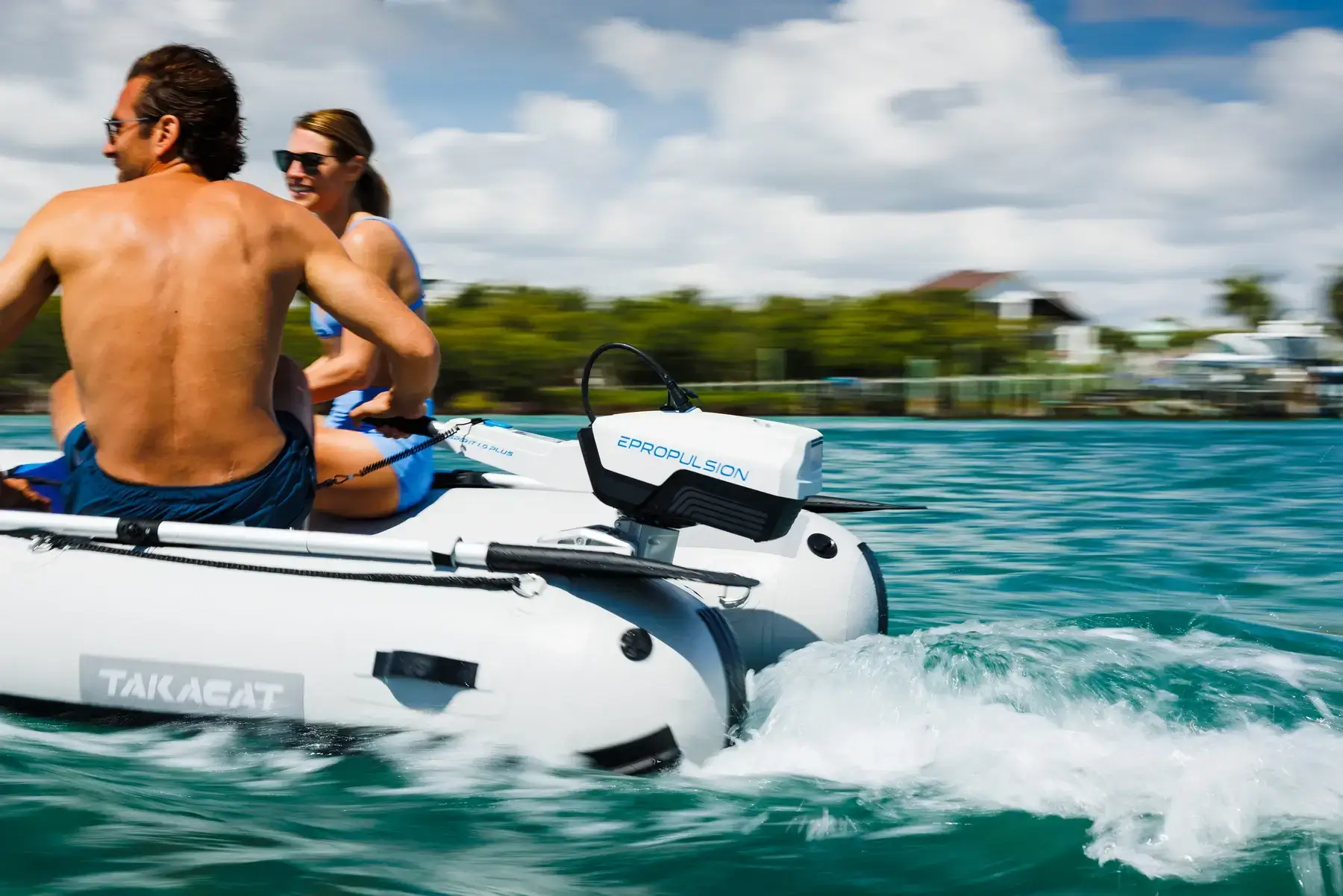
The electric boat motor isn’t just restricted to short recreational tours and serene lakes. They are highly used in the marine world. It includes strong currents, exposure to saltwater, increased operational loads, and temperature extremes. It puts to light an essential question for the marine professionals and boat owners: Is it possible for an electric propulsion system to endure severe marine conditions with time?
- What is marine environmental stress?
Extreme marine conditions put ongoing stress on the propulsion systems. Since saltwater is corrosive, temperature changes might affect battery performance. Additionally, ongoing vibration poses other challenges for electrical connections. The advanced electric boat motors are designed to mitigate these challenges using marine-grade electric equipment. It also uses corrosion-resistant alloys and sealed housings for this. Compared to conventional combustion engines, the electric motors comprise fewer moving parts, which minimizes mechanical wear in stressful conditions.
- Waterproofing and corrosion resistance
Corrosion is a big issue in the harsh marine environment. Quality electric motors are built with anodized aluminum housings, stainless steel shafts, and coatings that protect against saltwater intrusion. Environmental ratings for ingress protection (IP) are typically IP67 and above, which means these motors are designed to withstand water and dust. Moisture and other contaminants can degrade the connector and control unit performance over time if not sealed properly.
- Battery performance in harsh weather conditions
Electric propulsion systems are powered by batteries. The thermal management of these systems is critical to be effective in extreme marine environments. Excess heat will shorten the battery’s life, while an extreme cold environment will limit the battery’s performance temporarily. The advanced battery management system regulates the battery charging cycle, monitors temperature, and keeps the battery from over-discharging. Batteries that are installed and vented properly, with a quality battery management system, will reliably operate in extreme offshore and coastal environments.
- Maintenance and component quality
Electric motors are much easier to maintain than other forms of propulsion. Still, regular inspections to inspect for wear and tear of seals, connectors, and mounting areas in extreme environments are critical. It is because failures can create severe damage to motors. When designing or selecting a dependable propulsion system, only use marine-rated products and systems of professional quality. For the best devices, check out furthercustoms.com. The website offers a wide variety of products and their technical specifications has been designed to withstand extreme environmental conditions and provide exceptionally long service life.
- Durability compared to conventional marine engines
Traditional engines frequently experience problems from fuel contamination, corrosion of exhaust systems, and constant maintenance due to extreme environmental conditions. On the other hand, the electric motors can avoid many of these issues. The longevity of an electric motor, therefore, relies heavily upon the manufacturer’s build quality, proper installation, and maintenance schedule. If all of the above conditions are met, electric systems will continue to provide consistent performance through many years of rigorous use.
Conclusion
These motors can survive in extreme marine conditions if they are designed purposefully, installed correctly, and adequately maintained. The developments in waterproofing, corrosion security, and battery management made electric propulsion a durable and viable option for extreme marine use. Hence, it is necessary to understand the environmental stresses and choose the correct components to ensure excellent performance and long-term reliability.


