

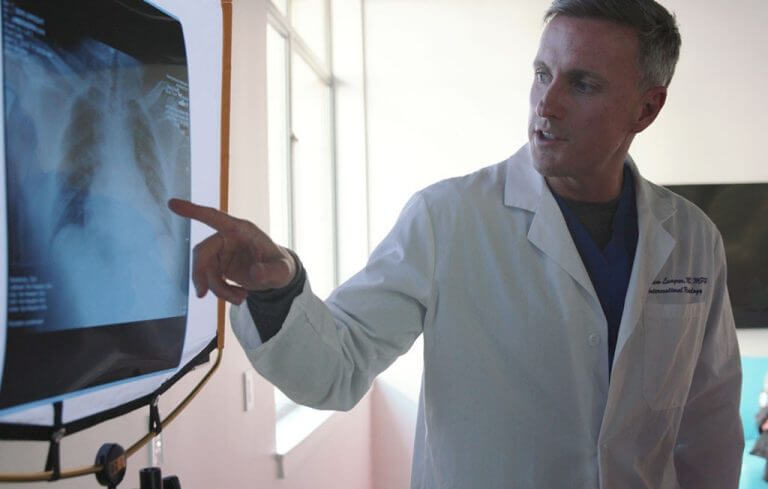
Clinical decisions often need to be made within a limited time frame with whatever information is available. Radiology helps reduce uncertainty by providing objective imaging evidence. Clinicians can use them to confirm a suspected diagnosis and choose the most appropriate next step, while also balancing factors such as MRI scan cost with clinical urgency and expected diagnostic value. When imaging is integrated into the care pathway, it supports earlier treatment and better coordination between specialities.
Contents
Where Radiology Improves Decision Speed
Timely imaging can directly influence how fast a patient begins treatment. Radiology supports speed in many ways. It is done not only through the scan, but also through proper reporting.
Key situations where imaging commonly accelerates decisions include:
- Stroke and cardiac care, where minutes can affect outcomes.
- Orthopaedic injuries, where fracture type and alignment determine treatment.
Speed becomes even more meaningful when paired with clear reporting. A concise radiology report needs to answer the clinical question. It reduces delays caused by back-and-forth clarification.
How Imaging Enables More Informed Choices
Radiology contributes to informed decisions by improving diagnostic accuracy and by providing measurable findings. Imaging can show location, size, severity, and progression. This supports clinical reasoning beyond symptoms and basic laboratory values.
Radiology often improves decision quality in the following ways:
- Confirming the diagnosis when symptoms overlap across multiple conditions.
- Quantifying disease burden, such as tumour size or extent of infection.
- Guiding targeted procedures, such as biopsies and drain placements.
Imaging also supports longitudinal care. Repeat studies can demonstrate whether a treatment is working, whether the disease is stable, or whether a plan should change.
Common Radiology Modalities and Typical Clinical Value
Different modalities like MRI scan in Bangalore serve different clinical needs, and choosing the right test reduces unnecessary waiting and repeat imaging. The table below summarises common uses in a decision-making context.
| Modality | Typical speed and access | What it helps answer | Common decision impact |
| X-ray | Fast, widely available | Bones, lungs, basic device positioning | Rule in/out fracture, pneumonia, line placement issues |
| Ultrasound | Fast, bedside possible | Soft tissues, fluid, pregnancy, and blood flow | Identify gallstones, DVT screening, and pregnancy assessment |
| CT | Rapid acquisition | Trauma, bleeding, complex anatomy | Detect internal injury, stroke triage, and appendicitis confirmation |
| MRI | Longer acquisition | Soft tissue detail, brain/spine, joints | Clarify complex neurologic and musculoskeletal conditions |
| Mammography | Scheduled screening/diagnostic | Breast tissue changes | Early detection and diagnostic workup planning |
Selecting imaging based on the clinical question is important. When the question is specific, radiology can provide a direct answer that speeds the next step.
Reporting, Communication, and Workflow Factors
A scan alone does not complete the decision cycle. The operational steps around imaging often determine whether radiology truly supports faster care.
Practical workflow elements that influence clinical speed include:
- Clear clinical history and question on the requisition form.
- Appropriate protocol selection to match the suspected condition.
- Standardised reporting that highlights critical findings early.
- Defined escalation routes for urgent or unexpected results.
- Coordination between radiology and clinical teams for follow-up imaging.
Structured reports can help clinicians locate key details such as the impression and recommended next steps.
Radiology in Multidisciplinary Decision-Making
Radiology plays an important role in team-based care, especially in complex or chronic conditions. Imaging findings support discussions between physicians, surgeons, and oncologists.
Common multidisciplinary uses include:
- Tumour boards, where imaging helps confirm stage and treatment response.
- ICU discussions, where imaging can reveal complications or progression.
- Follow-up planning, where interval imaging determines surveillance frequency.
In these settings, radiology provides a common reference point, which reduces ambiguity and supports consistent decision-making across departments.
Quality, Safety, and Limitations To Keep In Mind
Radiology supports better decisions when it is used thoughtfully. Overuse can create delays and incidental findings. Underuse can lead to missed diagnoses and prolonged uncertainty. Important considerations include:
- Radiation exposure, especially with repeated CT in certain populations.
- Clinical correlation, because imaging should be interpreted with symptoms and labs.
- Follow-up planning, so incidental findings are handled responsibly.
Good imaging decisions depend on clinical judgment and clear indications. When clinicians and radiologists align on the purpose of a study, it is easier to get more actionable information.
Conclusion
How radiology supports faster and more informed clinical decisions is ultimately about reducing uncertainty at the point of care through timely imaging, clear reporting, and strong coordination between teams. For patients seeking dependable imaging services, Vijaya Diagnostic Centre is a recognised option for accessing radiology support within a diagnostic care setting.