

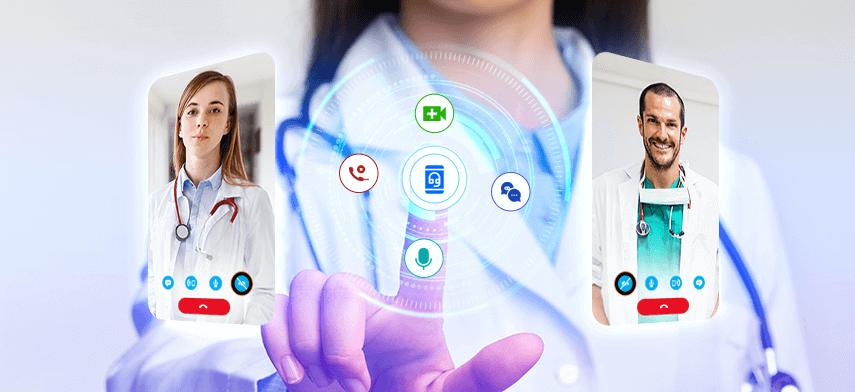
From video consultations to remote prescriptions, telemedicine is transforming how healthcare is delivered—making it more accessible, convenient, and cost-effective across the globe.
Thanks to innovations from platforms like Border Free Health, patients now have access to high-quality care without needing to leave their homes or travel across borders. This evolution isn’t just about comfort—it’s creating a lifeline for millions in underserved communities.
In this article, we’ll explore how telemedicine is breaking barriers, improving outcomes, and making affordable healthcare a global reality.
What Is Telemedicine and Why Does It Matter?
Telemedicine involves offering healthcare services using digital platforms. It includes consultations, diagnostics, monitoring, and even prescription fulfillment—all done remotely.
Why It’s Game-Changing
Telemedicine addresses several long-standing issues in healthcare:
- Limited access to specialists, especially in rural areas
- High costs associated with in-person visits
- Time constraints for both patients and doctors
- Travel challenges, particularly for the elderly or immunocompromised
With telemedicine, patients get timely and effective care with fewer obstacles.
Contents
How Border Free Health Is Leading the Way
This online platform is an example of how telemedicine is being elevated beyond simple video calls. This platform is built to connect patients with licensed doctors, pharmacies, and diagnostic services around the world.
True Global Access
Whether you’re in a remote village or a major city, Border Free Health helps eliminate geographic boundaries. Patients can consult with physicians across different countries, accessing expertise not readily available in their area.
Affordability at the Forefront
Many users turn to online pharmacies to find lower-cost treatments and medications. By connecting to international providers, patients often bypass local price hikes or access more affordable generics.
Integrated Services
What makes this platform stand out is the all-in-one model—consultations, prescriptions, and pharmacy access are all integrated. This streamlines the patient journey and makes continuity of care easier to maintain.
The Global Impact of Telemedicine
Telemedicine is not a temporary solution—it’s becoming a permanent pillar of modern healthcare systems worldwide.
Improved Health Outcomes
Early interventions and consistent monitoring are key to managing chronic conditions, including diabetes, hypertension, and asthma. With telemedicine, follow-ups and medication adjustments can happen in real-time.
Lower Healthcare Costs
Both patients and providers save. There are fewer hospital admissions, reduced travel expenses, and lower administrative overheads.
Expanding Reach in Underserved Areas
In many regions of Asia, Africa, and Latin America, telemedicine programs supported by NGOs and governments have brought life-saving services to communities that previously had no access to regular care.
Technology and Innovation Driving the Change
Behind this healthcare revolution is the rapid evolution of digital tools. Smartphones, AI, wearable devices, and secure data systems are the backbone of telehealth success.
The ability to track patient vitals remotely or use AI to assist in diagnostics is just the beginning. The latest trends in tech and business continue to influence how telemedicine is evolving and scaling globally.
Challenges and Considerations
While the growth is promising, there are still areas to refine.
- Data privacy and cybersecurity must be maintained across borders.
- Internet access remains a barrier in extremely remote areas.
- Licensing and regulations vary by country, creating complexity in global consultations.
- Language and cultural differences can influence communication and care delivery.
However, as platforms like Border Free Health mature, many of these concerns are being addressed with cross-border protocols, translation support, and stronger data infrastructure.
Takeaways
Telemedicine is not just the future—it’s the present. It’s improving lives, cutting costs, and making care more accessible than ever before.
Online platforms are playing a key part in making quality healthcare affordable and available beyond traditional boundaries. Whether you’re looking for a second opinion, lower-cost prescriptions, or regular chronic care check-ins, telemedicine is bridging the gap in global healthcare.
As technology continues to grow, expect even more seamless, secure, and scalable solutions for patients everywhere.
Frequently Asked Questions (FAQs)
Is telemedicine safe and reliable?
Yes. Licensed platforms like Border Free Health ensure that all physicians are certified, and your data is handled securely. Many telemedicine services now follow the same medical standards as in-person visits.
Can I get prescriptions through telemedicine?
Absolutely. Most telehealth platforms allow doctors to send prescriptions directly to local or international pharmacies. This includes both short-term treatments and long-term chronic care meds.
What if I don’t speak the same language as the doctor?
Many global telemedicine platforms offer multi-language support or live translation services to ensure effective communication between doctors and patients, regardless of location.
How do I prepare for a telemedicine appointment?
Before your virtual visit, make sure you have a stable internet connection, a quiet space, and a device with a camera and microphone. It’s also helpful to prepare a list of signs and symptoms, current medications, and any questions you have for the doctor to make the most of your appointment.
Does insurance cover telemedicine?
Coverage for telemedicine varies based on your insurance provider and plan. However, many insurers now include telehealth services in their coverage, especially for primary care, mental health, and chronic condition management.