

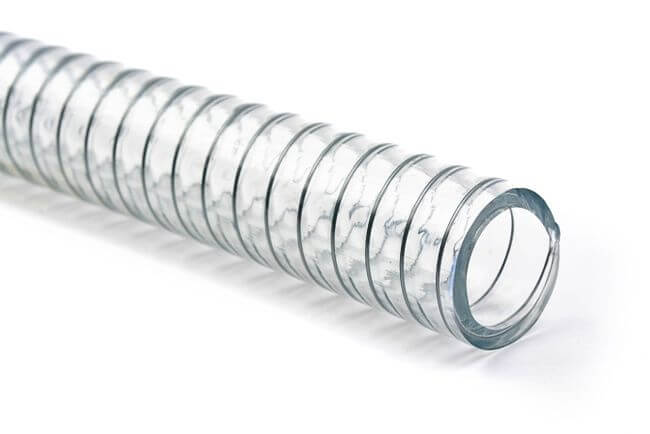
Choosing the right pre-cut food-grade tubing is important for businesses involved in food production and processing. These tubes are necessary for the safe and efficient transfer of food and beverages, playing a key role in maintaining quality and safety standards. Selecting the best tubing requires understanding several factors, including materials, flexibility, and compatibility with your specific facility needs.
In today’s market, numerous options are available, each catering to different applications and requirements. Whether the goal is to handle varying levels of pressure or to maintain hygiene standards, it is important to identify tubing that aligns with the facility’s operational demands. This guarantees seamless operations and upholds the safety of the products being processed.
Contents
Assess Pressure and Temperature Requirements
When selecting the best pre-cut food-grade tubing, it’s important to know the pressure and temperature conditions it will face. Tubing must withstand the pressure exerted during the transfer of liquids or gases. Different operations require different pressure ratings, so choosing tubing that matches these needs is necessary.
Temperature plays a role in material selection. Some facilities operate at higher temperatures, so tubing should be able to handle these without degrading. Tubing like stainless steel can withstand high temperatures, making it suitable for certain environments.
Considerations may include choosing materials that maintain integrity under specific conditions. For example, stainless steel tubing can be a good choice for sanitary applications in industrial settings. It’s often used in facilities where maintaining hygiene and stability is important.
Depending on the specific pressure and temperature needs, materials like silicone or PVC can also be options. Understanding the facility’s requirements will guide the decision to operate efficiently. Proper selection leads to a more reliable production process and helps guarantee safety standards are met.
Consider Material Compatibility
Selecting the right food-grade tubing is important for maintaining safety and quality in any facility. One key factor to think about is the material compatibility between the tubing and the substances it will carry. Tubing must be suitable for the type of food or beverage being transported to prevent contamination.
Different foods and beverages interact with materials differently. For example, acidic foods might react with certain types of plastic. It’s important to match the material of the tubing to the specific needs of the food it will handle. This reduces the risk of chemical reactions that might spoil the product or leach unwanted substances.
An example of a supplier that can help with this aspect is Central States Industrial (CSI), which is known for helping facilities select suitable materials. Choosing the right material guarantees safety and compliance with food safety regulations. By picking the right tubing, facilities can prevent issues and maintain high-quality standards.
Evaluate Tubing’s Flexibility and Durability
When choosing pre-cut food-grade tubing, it’s important to consider both flexibility and durability. Flexible tubing is easier to install, especially in tight spaces. It allows for smooth flow and reduces the risk of kinks that can block the passage of materials.
Different materials provide varying degrees of flexibility. For instance, silicone and PVC are popular choices due to their ability to bend easily. This makes them suitable for facilities where tubing needs frequent adjustments or movements.
Durability, on the other hand, relates to how well the tubing withstands wear and tear over time. It’s important to choose tubing that can handle the demands of the facility without frequent replacements.
Central States Industrial (CSI) offers durable tubing options that maintain function over extended use. Evaluating these qualities can help in selecting the right tubing to meet a facility’s specific needs, balancing both flexible installation and long-lasting performance.
Check for Certifications and Standards
When selecting pre-cut food-grade tubing, it is important to check for specific certifications and standards. Look for NSF certification, which indicates the tubing meets standards set by the National Sanitation Foundation for food safety. This certification guarantees that the tubing is safe for handling food products.
Another key certification to look for is FDA approval. This means the tubing is compliant with the United States Food and Drug Administration requirements for materials used in food contact applications. This approval helps confirm that the tubing is safe for food use.
Central States Industrial (CSI) offers a helpful checklist for food-grade hose assembly, which includes guidelines on material compatibility and safety standards. This resource can aid in making informed choices.
By focusing on these certifications, facilities can be confident in selecting tubing that maintains the safety and quality of their food processing operations.
Match Tubing Dimensions to Systems
Choosing the right dimensions for pre-cut food-grade tubing is important to match your facility’s systems. The tubing needs to fit the existing equipment to avoid leaks. The dimensions include the inner diameter, outer diameter, and wall thickness.
Consider the flexibility and material of the tubing, as these can affect how it fits into different systems. It’s also necessary to think about the tubing’s ability to handle the pressure and temperature of the system it will connect to.
One option many facilities use is tubing from Central States Industrial (CSI). They are known for providing options that can cater to varied system requirements.
It is important to measure your system’s ports and connections accurately. This helps to pick tubing that will offer a secure and stable fit, preventing system inefficiencies or possible spills.
Select Based on Application Needs
When choosing pre-cut food-grade tubing, it’s important to match the tubing to the specific needs of your facility. Think about what substances the tubing will carry. Different materials may be better suited for various applications, such as liquids, gases, or powders.
Consider the temperature and pressure conditions. Tubing must withstand the environment in which it is used without compromising safety or performance. Factors like flexibility and bend radius can affect installation and maintenance ease.
Central States Industrial (CSI) offers insights into durable tubing options that meet industry standards. Their experience can help identify the right fit for different applications. Finally, compliance with health regulations and certifications should be considered, guaranteeing that the choices align with legal requirements for food-related use. This will keep operations running smoothly and safely without legal complications.
Conclusion
Choosing the right pre-cut food-grade tubing is important for maintaining safety and quality in any facility. When making a decision, several factors should be taken into account, such as material compatibility, flexibility, and durability.
Using a detailed checklist can greatly assist in guiding these choices. Consider the following points:
- Material Compatibility: Guarantee the tubing can handle the types of food products being processed.
- Flexibility: Evaluate how easily the tubing can bend without breaking or kinking.
- Durability: Consider resistance to wear and tear.
Central States Industrial (CSI) provides a good option for facilities looking for dependable tubing solutions. Their products focus on meeting industry standards and ensuring performance and safety.
By following these guidelines, facilities can make informed decisions and maintain high standards for food safety and efficiency.