

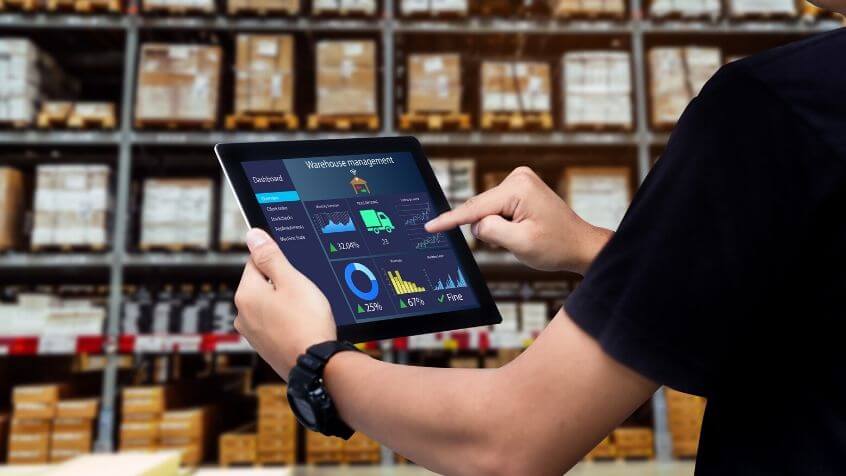
Your warehouse workflow is the foundation of your entire supply chain. If items are hard to find, if equipment breaks down frequently, or if your team wastes time navigating inefficient paths, it can cost you time, money, and customer satisfaction. Rethinking your warehouse workflow doesn’t always mean starting over—it means identifying smart changes that deliver big impact.
Here’s how to reimagine your space and process for better results.
Contents
1. Assess What’s Not Working
Begin with a detailed look at your current workflow. Track the movement of goods from receiving to shipping. Pay attention to:
- Bottlenecks in high-traffic zones
- Excessive travel time for staff
- High error rates in picking or packing
- Areas where goods pile up unnecessarily
This kind of analysis highlights inefficiencies that might be invisible day to day.
2. Simplify the Layout
One of the most effective ways to improve flow is to optimize your layout.
Tips to consider:
- Group high-frequency items near packing or shipping zones
- Create wide, clear paths for both workers and forklifts
- Use vertical racking to maximize storage without taking up more floor space
- Label sections clearly to reduce confusion
A streamlined layout saves time, improves safety, and makes training new staff easier.
3. Upgrade Your Equipment
Your material handling equipment plays a key role in day-to-day efficiency. If your forklifts or pallet jacks are unreliable or mismatched for the job, productivity suffers. That’s why partnering with trusted suppliers can make a significant difference. They provide forklifts suited to your space and offer rental options and maintenance services to keep downtime low.
Keep in mind:
- Regular maintenance reduces breakdowns
- The right size lift can navigate tighter aisles
- Trained operators work faster and safer
Better equipment supports smoother workflows and less physical strain for staff.
4. Improve Picking and Packing
Order picking is often the most labor-intensive part of warehouse work. Small tweaks can boost both speed and accuracy:
- Place popular items in accessible locations
- Use batch or zone picking to reduce travel
- Add mobile scanners or pick-to-light systems for real-time data
- Keep packing stations well stocked and ergonomic
Time saved here can dramatically improve your fulfilment rate.
5. Invest in a Better WMS
If you’re still using paper tracking or outdated software, it’s time for a smarter warehouse management system (WMS). A good WMS can:
- Track inventory in real time
- Guide pickers efficiently
- Help manage stock levels
- Provide data for decision-making
Technology gives you better control—and fewer errors to clean up later.
6. Make It Scalable
Think ahead. Your workflow should be flexible enough to handle peak seasons, product line expansion, or a growing customer base. That might mean using temporary racking, flexible staffing models, or renting extra forklifts during busy months with help from Apex Forklift.
7. Build a Culture of Continuous Improvement
Efficiency isn’t a one-time goal. It’s a habit. Encourage staff feedback, run regular reviews, and set KPIs for things like order accuracy, fulfilment speed, and inventory turnover.
Final Thoughts
Rethinking your warehouse workflow isn’t about working harder, it’s about working smarter. By refining layout, upgrading tools, optimizing processes, and leveraging expert support from partners, you can build a warehouse that supports growth and delivers consistently better performance.
Every improvement, no matter how small, adds up to a more productive, responsive, and resilient operation.

