

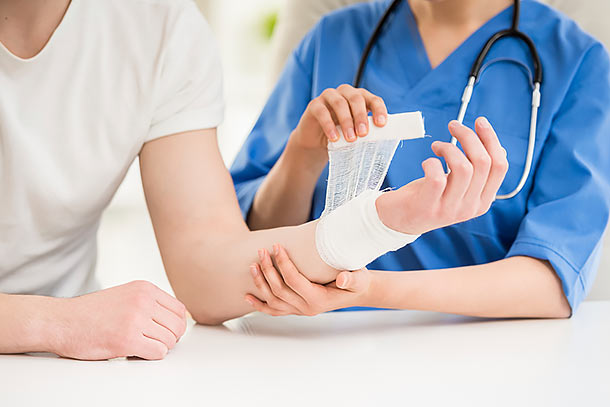
The process of wound healing is a complex and dynamic one, involving a well-orchestrated integration of physiological mechanisms. From minor cuts to major surgeries, the body’s response to healing spans through various stages, each critical for successful recovery. Underlining the importance of proper wound care is essential not only for expedited healing but also for preventing infections and complications.
Contents
Understanding the Wound Healing Stages
The first stage of wound healing is the haemostasis phase, where blood vessels constrict and clotting begins to stop bleeding. Following this is the inflammatory stage, where the body’s immune system cleans the wound site of any foreign particles. Proliferation, the third stage, involves the replacement of lost tissue with granulation tissue and the reformation of the epidermal layer. The final maturation phase sees the formation of scar tissue and the strengthening of the wound site.
It is essential through all these stages to cater to the wound with attention and care. Keeping the wound clean, protected and moist can favourably influence the healing parameters. Remaining informed on the different aspects of wound care helps ensure that healing is not only efficient but also minimises the possibility of secondary problems.
Role of Bandages in Wound Healing
Bandages are fundamental in wound management. They provide necessary support, protect wounds from contamination, and maintain a stable environment around the injury. The choice of bandage can also influence the wound healing trajectory. For instance, hydrocolloid bandages are often used for moist wound healing, which has been shown to be faster compared to healing under scabs that form in drier conditions.
There are various types of bandages for different wounds and stages of healing. Compression bandages help reduce swelling and promote circulation, while adhesive bandages are suitable for minor cuts and abrasions. For more severe wounds, one might require specialised bandages that address the wound’s specific needs such as exudate management and prevention of bacterial growth.
Selecting the Right Wound Care Products
Employing the correct type of wound care products is pertinent to the healing process. Apart from bandages, a wide array of products is available, including antiseptics, dressings, tapes, and wound healing enhancers like alginates or collagen-based formulations. Each product serves its specific purpose, and selecting the right one demands a thorough assessment of the wound and its current healing stage.
Professional advice from healthcare providers is highly recommended for wound assessment and guidance on the most suitable products to use. Detailed knowledge of the wound’s aetiology, size, location, and potential contamination risks is vital to determine the approach and the products to be used for optimal healing.
The Impact of Technology on Wound Care
Advances in medical technology have significantly affected the practice of wound care. Today, innovative dressings such as film, foam, and silver-impregnated dressings provide better outcomes by maintaining a moist environment, allowing for autolytic debridement, and reducing the risk of infection.
Innovations extend beyond dressings, with telemedicine now playing a role in wound management. Consultations, assessments and follow-ups can be done remotely, something particularly beneficial for patients with mobility restrictions or those living in remote areas.
Preventing and Managing Infections
Preventing infection is a critical aspect of wound care. A wound that becomes infected will take longer to heal and increases the risk of complications. Regular cleaning with mild cleansing agents and the use of antiseptic products when necessary are key steps in preventing infection. Monitoring for signs of increased redness, swelling, pain, or pus is equally important for early detection and intervention.
Once an infection is noted, the affected individual should seek immediate medical attention. The treatment plan may include oral or topical antibiotics, and in some cases, further medical procedures might be necessary to address the infected area.
Lifestyle Factors Affecting Wound Healing
Healing is influenced by various lifestyle factors including nutrition, smoking, alcohol consumption, and general health. A diet rich in vitamins and minerals, particularly vitamin C and zinc, can improve wound healing. Smoking and excessive alcohol intake, on the other hand, impair the body’s healing abilities. Chronic conditions such as diabetes and peripheral vascular disease can also influence the wound healing process.
Engaging in regular exercise, within one’s limitations, can promote circulation which is favourable for healing. However, it is essential to balance activity with rest, as the body requires energy to heal.
Education and Resources for Effective Wound Care
Education is crucial for both healthcare professionals and patients in understanding the intricacies of wound care. With the right knowledge and resources, the management of wounds can be significantly improved, leading to better patient outcomes. Websites like Medisa provide invaluable information and a comprehensive selection of wound care products, allowing individuals to make informed decisions regarding their wound management.
Proactive measures, such as attending workshops, consulting with specialists, and staying abreast of the latest research, help in advancing one’s understanding of wound care techniques and innovations.
Final Thoughts on Wound Care
Wound care and healing require a multifaceted approach, considering the type and extent of the wound, the individual’s overall health, and the availability of appropriate care products and resources. A holistic understanding of the healing process, combined with vigilant care and adherence to professional medical advice, paves the way towards recovery.
As advancements in wound care technology continue to evolve, it is imperative to stay informed and equipped with the latest information and tools to ensure wounds are cared for effectively. By doing so, individuals and healthcare providers can work together towards achieving the ultimate goal: to minimise the healing duration and ensure a complication-free recovery.
With the right combination of knowledge, care, and resources, the journey towards complete wound healing is set on a solid foundation, promoting not only recovery but also offering peace of mind to those affected.