
A spectrum analyzer is a specialized electronic instrument used to measure and display the frequency components of electrical signals. Presenting signal data graphically, it allows engineers and technicians to observe characteristics such as amplitude, frequency distribution, distortion, and interference in both analog and digital signals. Spectrum analyzers are widely used in telecommunications, broadcasting, audio engineering, and electronics testing, where understanding signal behavior across a frequency range is essential. For laboratories and professionals looking to expand their testing capabilities cost-effectively, many choose to shop high-quality used spectrum analyzer options that deliver reliable performance without the expense of new equipment.
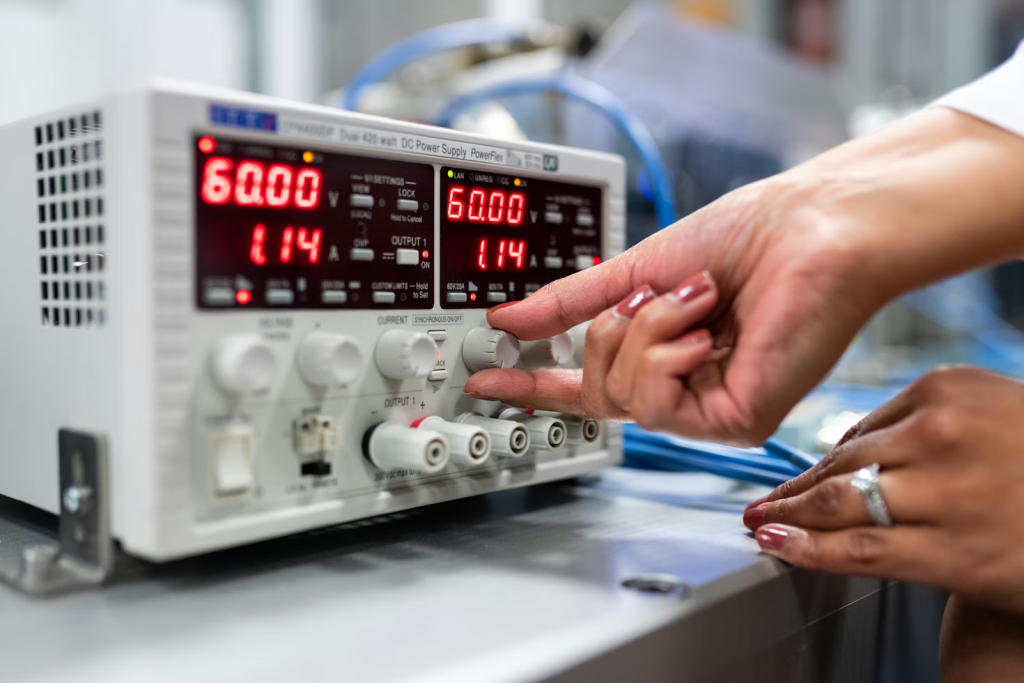
In modern electronics, spectrum analyzers play a critical role in ensuring signal integrity and system performance. By measuring signal strength across frequencies, they help professionals diagnose faults, optimize designs, and meet regulatory standards. Their ability to identify interference and unwanted emissions makes them indispensable tools across many technological industries.
Contents
Essential Functions of a Spectrum Analyzer
One of the primary functions of a spectrum analyzer is signal measurement. This involves evaluating key signal parameters such as amplitude, frequency, power, and phase. Accurate measurement enables engineers to assess performance, improve efficiency, and resolve faults in communication and electronic systems.
Frequency analysis is another core function. By identifying how often specific frequency components occur within a signal, spectrum analyzers help reveal patterns, trends, and anomalies. This information is critical in applications where precise frequency control and stability are required.
Spectrum analyzers are also used to assess spectral purity. This refers to how clean a signal is, with minimal unwanted harmonics, noise, or spurious emissions. High spectral purity is essential for reliable communication and accurate operation of oscillators, amplifiers, and transmitters.
In addition, spectrum analyzers support modulation analysis. This involves examining how information is encoded onto a carrier signal through changes in amplitude, frequency, or phase. Analyzing modulation quality helps determine how effectively data is transmitted while minimizing noise and distortion.
Working Principle of a Spectrum Analyzer
Many spectrum analyzers operate using the superheterodyne principle. In this method, the incoming signal is mixed with a locally generated oscillator signal to shift it to an intermediate frequency. This frequency conversion simplifies filtering and amplification, improving sensitivity and selectivity during analysis.
Modern spectrum analysis also relies on digital signal processing. Signals are sampled, converted into digital form, and processed using mathematical techniques such as Fourier transforms. This allows the analyzer to display frequency components accurately and efficiently.
Bandwidth is a key consideration in spectrum analysis. It determines the range of frequencies that can be observed and directly affects resolution and measurement speed. Proper bandwidth selection ensures accurate results without unnecessary signal loss or distortion.
Types of Spectrum Analyzers
Swept-tuned spectrum analyzers scan through a range of frequencies sequentially, measuring signal amplitude at each point. They are commonly used for general-purpose analysis, interference detection, and electromagnetic testing.
Vector signal analyzers are designed for complex digital and wireless signals. They provide detailed measurements of amplitude, phase, and frequency, making them suitable for analyzing advanced modulation schemes in wireless communications and radar systems.
Real-time spectrum analyzers continuously monitor a frequency range without gaps. This capability allows them to capture transient signals and short-duration interference events that traditional analyzers may miss.
Audio spectrum analyzers focus specifically on sound signals. They display the frequency content of audio, making them valuable tools in music production, acoustics, and sound system optimization.
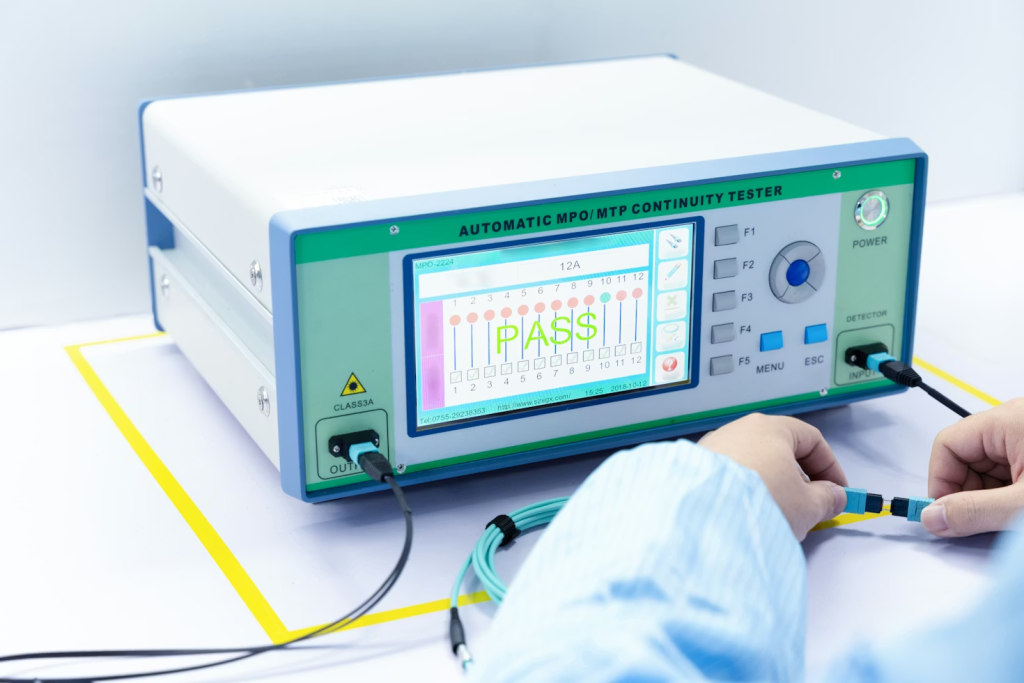
The Role of Spectrum Analyzers in Modern Electronics
In manufacturing, spectrum analyzers support quality control by verifying that electronic components and systems meet performance specifications. Early detection of defects reduces waste and improves product reliability.
They are also essential for troubleshooting signal transmission issues. By identifying sources of interference, signal loss, or distortion, engineers can resolve problems efficiently and maintain system reliability.
Spectrum analyzers play a key role in wireless signal evaluation. They help analyze modulation methods, frequency usage, and environmental interference, contributing to improved network performance and connectivity.
Advancements in telecommunications and broadcasting rely heavily on spectrum analysis. Clearer signals, higher data rates, and improved coverage are achieved through precise frequency management and interference control.
Future Direction of Spectrum Analyzers
The future of spectrum analysis is shaped by technological innovation. The integration of artificial intelligence and machine learning is enhancing automated signal detection and interpretation. Real-time monitoring is becoming increasingly important as communication systems grow more complex.
Ongoing improvements in digital signal processing, resolution bandwidth, and software integration continue to expand analyzer capabilities. These advancements enable faster, more accurate measurements and advanced visualization, supporting the evolving needs of modern electronics and communication systems.
FAQs
What is the main purpose of a spectrum analyzer?
The primary purpose of a spectrum analyzer is to measure and display the frequency components of a signal. It helps engineers identify signal strength, interference, distortion, and unwanted emissions across a defined frequency range.
How is a spectrum analyzer different from an oscilloscope?
A spectrum analyzer displays signals in the frequency domain, showing how energy is distributed across frequencies. In contrast, an oscilloscope presents signals in the time domain, focusing on waveform shape and timing rather than frequency content.
Which industries commonly use spectrum analyzers?
Spectrum analyzers are widely used in telecommunications, broadcasting, wireless networking, audio engineering, electronics manufacturing, and research laboratories. They are essential wherever accurate frequency analysis and signal integrity are required.