

Contents
Print shops need equipment that can adapt
Modern print buyers rarely fit into one neat category. One customer may need rigid display boards, another may need flexible signage, and a third may need a sample run for packaging or retail graphics. Print shops that want to compete in this environment need equipment that can handle changing work without creating a complicated production floor.
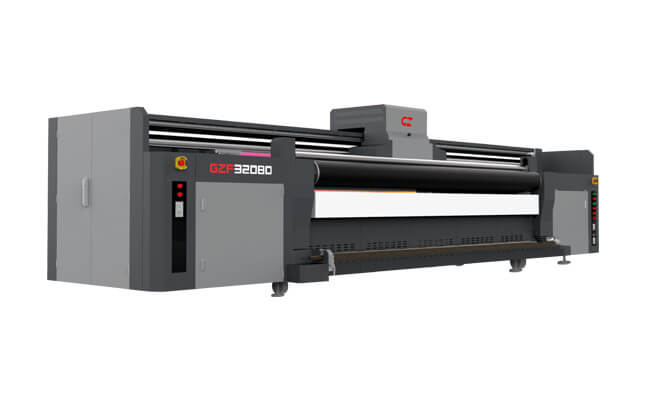
This is where hybrid UV printing has gained attention. A hybrid UV printer combines flatbed-style rigid material printing with roll-to-roll media capability in one workflow. For businesses that need both boards and flexible media, the model can reduce equipment duplication and make production planning more efficient.
What hybrid UV printing is designed to solve
A dedicated flatbed printer is strong for rigid materials such as acrylic, wood, metal, foam board, glass, and panels. A roll-to-roll printer is strong for flexible media such as banners, films, vinyl, and certain display materials. Many commercial shops need both. The hybrid model exists because buyers want the flexibility to produce several types of jobs without switching between completely separate systems for every order.
A commercial hybrid UV printer can be useful when a shop wants one production line that supports both rigid boards and roll media for signage, retail display, packaging, and decor-related work.
Where the workflow makes sense
Hybrid UV printing is especially useful for sign shops, display producers, packaging sample teams, interior decor printers, agency production departments, and manufacturers that need both panel printing and flexible output. A shop might print acrylic display panels in the morning, retail signage after lunch, and roll media graphics later in the day. The value is not only versatility. The value is reducing downtime between job types.
This does not mean every company needs a hybrid system. If a business only prints small flat products or only produces roll media, specialized equipment may be better. Hybrid printing makes the most sense when the order mix genuinely includes both rigid and flexible materials.
The importance of workflow control
A hybrid machine can only deliver value if the workflow is organized. Operators need to manage material loading, height settings, print modes, curing, color profiles, job queues, and finishing. Without good production discipline, a flexible machine can turn into a confusing bottleneck.
This is why RIP software for UV printers matters. Software controls color, media profiles, white ink, varnish layers, nesting, queue management, and repeatable production settings.
How hybrid printing supports business growth
Hybrid UV printing can help a print business expand into adjacent markets. A company that starts with signage may add retail displays. A packaging prototype team may add boards and roll media for presentations. A decor printer may add rigid panels and flexible films. This expansion works best when the shop builds packages around real demand rather than simply advertising every possible material.
The strongest use case is a business that already receives mixed requests and wants to capture more of the order in-house. Instead of outsourcing part of a campaign, the shop can keep more production under its own schedule and quality control.
Questions buyers should ask
Before buying a hybrid UV printer, businesses should ask what percentage of work will be rigid, what percentage will be roll media, how much floor space is available, what material sizes are common, what finishing is required, and whether operators are ready for a more varied workflow. They should also test actual materials before making claims to customers.
Support is another important factor. Hybrid workflows are more complex than a single narrow product line. Good training, software guidance, maintenance routines, and spare-part planning help protect uptime.
Final thought
Hybrid UV printing is part of a broader move toward flexible production. Buyers want shorter runs, more materials, and faster delivery. Print shops want equipment that can handle that demand without cluttering the production floor. For the right shop, a hybrid UV printer can become a practical bridge between rigid boards, roll media, display work, packaging samples, and commercial signage.
Cost and ROI considerations
The return on a hybrid UV printer depends on how often the shop uses both sides of the workflow. If rigid and flexible jobs are both common, the machine can improve utilization and reduce outsourcing. If one side of the workflow is rarely used, the business may be paying for capability it does not need.
A practical ROI review should include machine cost, ink, media, labor, floor space, maintenance, software, finishing, and rejected material. It should also include the value of faster turnaround. Keeping more work in-house can help a shop control deadlines and protect customer relationships.
Avoiding overcomplexity
Flexible equipment can tempt shops to accept every possible job. That is risky. A hybrid UV printer should support a clear service menu, not create confusion. The shop should define which rigid materials, roll media, widths, finishes, and order types it will actively sell.
Clear boundaries make sales and production easier. Customers receive more accurate quotes, operators work from known settings, and the business can promote reliable outcomes. Versatility is valuable only when it is paired with operational discipline.