

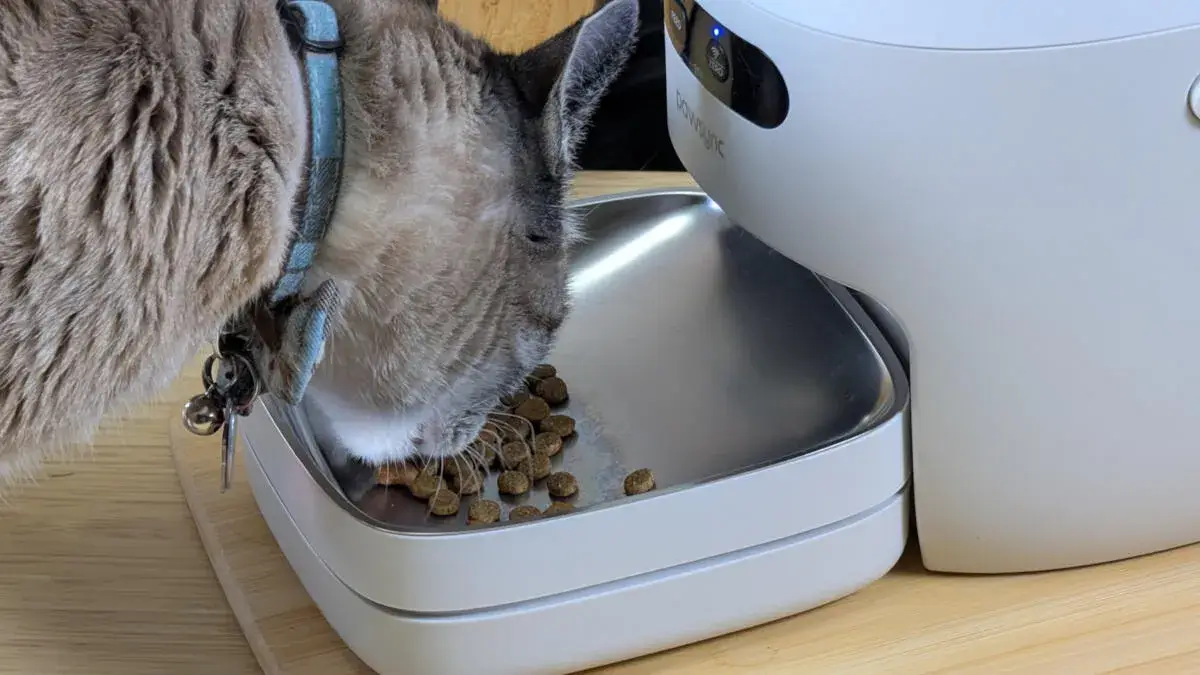
For years, the concept of an automatic pet feeder was remarkably simple. It was essentially a plastic hopper equipped with a basic battery-operated timer that would drop a predetermined amount of kibble into a bowl at a specific hour of the day. For busy owners, this basic automation provided peace of mind during long workdays, ensuring that their cats or dogs would not miss a meal. It was a convenient mechanical solution to a logistical problem, designed primarily for human convenience rather than comprehensive animal wellness.
However, as our understanding of pet nutrition and veterinary science has deepened, pet parents have realized that feeding involves much more than just keeping a bowl filled. Today, we are witnessing a profound shift in how we approach domestic animal nutrition. Modern feeding habits are moving away from merely outsourcing the labor of pouring kibble to embracing data-driven, health-conscious dietary management. The modern pet owner does not just want their animal fed on time; they want to ensure the food is perfectly fresh, precisely portioned, and tailored to their pet’s specific biological needs. This desire has pushed smart feeding technology far beyond simple automation into the realm of intelligent wellness ecosystems.
Contents
The Problem With Traditional Feeding Methods
To understand why feeding technology is evolving so rapidly, it is necessary to examine the inherent flaws of traditional feeding methods. Whether owners rely on open-top gravity feeders, standard plastic dishes, or first-generation automatic timers, conventional feeding setups present several quiet challenges that can negatively impact a pet’s long-term health and the cleanliness of the home.
Food Freshness Loss
When dry pet food is exposed to the open air for extended periods, it undergoes a process called oxidation. The natural fats and oils present in premium kibble begin to break down the moment they come into contact with oxygen. In traditional feeders where a large amount of food sits in a poorly sealed hopper for weeks, the kibble rapidly loses its nutritional value, becomes stale, and can even turn rancid. This degradation not only alters the flavor, causing finicky pets to reject their meals, but it can also lead to digestive issues and nutritional deficiencies over time.
Overfeeding
Obesity has become one of the most prevalent health crises facing domestic pets today, and traditional feeding methods are a major contributing factor. When using standard bowls, humans are notoriously inaccurate at measuring out precise food volumes, often overestimating how much their pet actually needs. Furthermore, gravity feeders that provide constant, unrestricted access to food encourage mindless grazing. Without precise portion control, pets easily consume excess calories, leading to steady weight gain, joint stress, diabetes, and a significantly reduced life expectancy.
Multi-Pet Feeding Conflicts
Managing a household with multiple animals introduces a complex social dynamic that standard feeding setups are completely unequipped to handle. In many multi-pet homes, there is a dominant eater who will quickly finish their own portion and then bully a more submissive sibling away from their dish. This conflict leads to a stressful environment where one pet becomes chronically overfed and overweight, while the other suffers from anxiety, undernutrition, and behavioral issues related to food scarcity.
The Rise of Smart Feeding Technology
In response to these systemic issues, a new generation of smart feeding technology has emerged. These modern systems leverage advanced software, sensors, and connectivity to transform the daily feeding routine into a precise, transparent, and highly customizable health management process.
App-Controlled Feeding
The integration of smartphone connectivity has fundamentally changed how owners interact with their pets’ dietary schedules. Through intuitive mobile applications, pet parents can monitor and adjust feeding parameters from anywhere in the world in real time. Whether an owner is stuck in a late meeting, traveling in a different time zone, or simply relaxing on the couch, they can instantly dispense an extra snack, delay a scheduled meal, or alter the daily routine with a single tap, providing unprecedented flexibility and control.
Portion Tracking
Modern smart feeders do not just dispense food by volume; they utilize integrated digital scales to track food intake by precise weight down to the gram. The companion apps record exactly how much food was dispensed, how much was consumed, and even the specific times the pet chose to eat. By analyzing these data points over days and weeks, owners can detect subtle changes in an animal’s appetite. A sudden drop in food consumption, which is often the very first sign of underlying illness in cats and dogs, is instantly flagged, allowing for early veterinary intervention.
Freshness Sealing Systems
To combat the destructive effects of air exposure, advanced feeding systems now incorporate sophisticated mechanical seals. Unlike older models with loose plastic lids, contemporary smart feeders utilize motorized, airtight rubber gaskets and triple-locking mechanisms that isolate the main food hopper from the outside environment. Every time a meal is dispensed, the chute immediately reseals itself, keeping the stored kibble locked away in a controlled environment to ensure that the final portion dispensed from the tank is just as fresh, crunchy, and nutritious as the very first.
Why Vacuum Storage Matters More Than Ever
As pet food formulations become more natural and premium, containing fewer artificial preservatives and higher levels of healthy fats, preserving food quality at home has become a major priority. This has led to the adoption of 真空保存 technology within the smart feeding landscape, moving beyond simple airtight containers to active preservation.
Humidity Protection
Excess moisture in the air is the ultimate enemy of dry pet food, as it creates an ideal environment for the proliferation of harmful molds, fungi, and bacteria. In humid climates or during summer months, kibble stored in conventional containers can absorb atmospheric moisture within days. Vacuum storage systems solve this by actively depressurizing the storage chamber, extracting oxygen and moisture to create a stable microclimate that halts the degradation process and protects the pet from foodborne illnesses.
Odor Reduction
Premium pet food is often formulated with highly aromatic ingredients, such as fish oils and freeze-dried meats, to appeal to an animal’s keen sense of smell. Unfortunately, these strong aromas can easily escape from basic plastic bins, filling a kitchen or laundry room with an unpleasant, lingering pet food odor. By utilizing an absolute vacuum seal, smart storage systems trap these intense odors completely inside the canister, keeping the home smelling clean and fresh while preserving the enticing scent profiles for the pet’s enjoyment.
Maintaining Food Quality
The ultimate goal of vacuum preservation is to lock in the essential vitamins, minerals, and fatty acids that manufacturers formulate into premium diets. When exposed to air, delicate nutrients like Omega-3 and Omega-6 fatty acids quickly break down, robbing the pet of the ingredients that support their skin, coat, and cognitive health. By removing the air entirely, vacuum systems ensure that the structural integrity and nutritional value of the food remain perfectly intact from the day the bag is opened until the final crumb is consumed.
Multi-Pet Homes Need Smarter Feeding Systems
The challenges of managing multiple pets require technology that can distinguish between individual animals. The latest evolution in smart feeding centers around personalization and behavioral management, ensuring harmony and health in diverse pet households.
Preventing Food Stealing
To eliminate the common issue of food theft, modern feeding systems utilize selective access technology. These advanced dishes remain securely closed with a motorized lid and will only open when they detect a specific animal approaching. This detection is achieved either by scanning the pet’s unique veterinary microchip or by pairing with a lightweight radio-frequency identification tag worn on the collar. If a greedy sibling attempts to push their way into the bowl, the lid automatically closes, safely securing the food for its intended recipient.
Personalized Meal Schedules
Every pet is an individual with distinct caloric requirements, dietary restrictions, and eating paces. Microchip-activated smart feeding systems allow owners to program entirely unique profiles for each animal in the house. A senior cat requiring prescription kidney medication can have a strictly timed, low-protein diet dispensed exclusively to them, while a high-energy kitten can access a separate, calorie-dense automated feeder throughout the day, completely eliminating the danger of accidental cross-contamination.
Final Thoughts
The evolution of smart pet feeding mirrors a broader trend toward proactive, data-driven pet care. We have moved far beyond the era of simply automated mechanics; today’s systems act as dedicated nutritional guardians that safeguard our pets’ health through precise freshness control, meticulous portion tracking, and individualized access management. By treating feeding as a vital pillar of veterinary wellness rather than a daily household chore, these intelligent devices give pet parents the ultimate peace of mind. They ensure that our beloved companions receive exactly what they need to thrive, fostering a healthier, happier, and longer life by our sides.