
Why your frames are stealing more than money from your wallet
The $3,000 Surprise
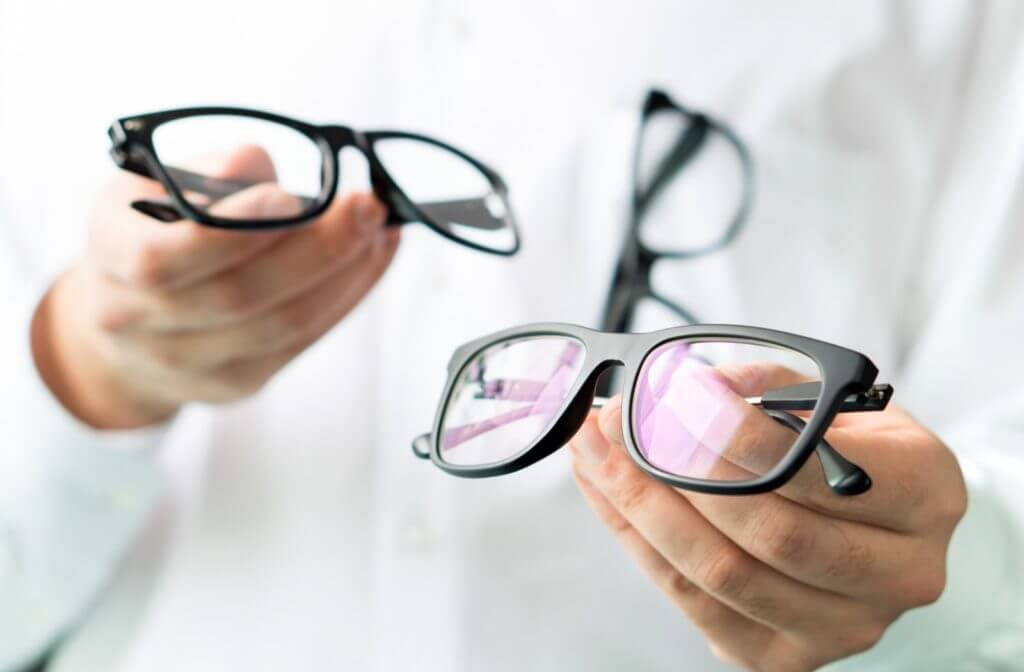
Add it up. Really. Your last pair of glasses, plus the backup pair, plus those prescription sunglasses you “had to have.” Contact lenses for six months, plus solution, plus the emergency daily disposables. That eye exam, the lens upgrades, the warranty replacement.
Most people discover they’re spending $200-400 annually on vision correction without realizing it. Over twenty years, that’s a car payment. Over thirty years, it’s a down payment on a house.
What You’re Really Paying For
Inconvenience has a price tag. Lost glasses mean rushed trips to optical shops and temporary compromises. Broken frames create productivity losses during replacement delays. Emergency contact purchases at airports cost triple normal prices.
Your active lifestyle pays a premium. Prescription sports glasses, swimming goggles, safety glasses for work—each activity demands specialized eyewear. Active individuals often maintain multiple prescription sets, multiplying costs exponentially.
Dr. Andrea Arteaga observes, “Patients at Chicago Arbor Eye Institute often realize LASIK isn’t just about vision correction—it’s about financial freedom from the endless cycle of prescription updates and replacement costs.”
The Hidden Costs Nobody Mentions
Insurance limitations create unexpected expenses. Most vision plans cover basic frames and lenses every two years, leaving upgrades, specialty coatings, and premium materials as out-of-pocket expenses. Progressive lenses, anti-reflective coatings, and transition lenses add hundreds to each purchase.
Technology obsolescence affects eyewear too. Blue light filtering, photochromic lenses, and advanced coatings represent recent innovations your current glasses lack. Staying current with lens technology requires regular updates beyond prescription changes.
Occupational demands multiply requirements. Professionals often need computer glasses, reading glasses, distance glasses, and safety glasses depending on work requirements. Each pair represents additional investment in maintaining career performance.
The Psychology of Dependency
Glasses become part of your identity. Some people feel incomplete without frames, even when contact lenses provide better vision. This psychological dependency often prevents consideration of permanent solutions like LASIK.
Fashion cycles affect function. Frame styles change, making perfectly functional glasses appear outdated. The pressure to maintain current appearance drives premature replacements of serviceable eyewear.
LASIK: The Economic Reality
Initial investment replaces decades of recurring costs. LASIK pricing varies by technology and surgeon experience, but typically ranges from $2,000-4,000 per eye. Compared to lifetime eyewear expenses, this represents significant savings for most patients.
Financing options improve accessibility. Many practices offer payment plans, HSA compatibility, and promotional financing. These options distribute costs over time while eliminating future prescription expenses.
ROI calculations favor permanent correction. Breaking even on LASIK typically occurs within 3-7 years, depending on current eyewear spending. Subsequent decades represent pure savings compared to continued prescription dependence.
When LASIK Makes Financial Sense
Young adults gain maximum benefit. Twenty-somethings facing 40+ years of prescription costs find LASIK most economically advantageous. Early correction maximizes lifetime savings while providing decades of convenience.
Active professionals see immediate returns. Individuals requiring multiple prescription solutions for work and recreation often recover LASIK costs within 2-3 years through eliminated specialty eyewear needs.
Parents consider family benefits. Adults modeling independence from corrective lenses often influence children’s attitudes toward vision correction. Some families view LASIK as investment in long-term eye health awareness.
Technology Investment vs. Annual Expenses
Modern LASIK technology ensures lasting results. Wavefront-guided procedures and femtosecond lasers provide precision corrections that maintain stability over decades. This durability protects against future enhancement needs.
Enhancement rates remain low. Less than 5% of LASIK patients require additional procedures, making initial investment highly predictable. Most enhancements, when needed, cost significantly less than original surgery.
The Chicago Advantage
Chicago’s competitive medical market benefits LASIK patients through advanced technology access and competitive pricing. The concentration of skilled surgeons creates value opportunities unavailable in smaller markets.
“We help patients understand LASIK as a long-term investment in visual freedom,” notes Dr. Arteaga. “At Chicago Arbor Eye Institute, we believe clear vision shouldn’t require monthly payments for life.”
Making the Numbers Work
Calculate your personal vision costs. Track spending on glasses, contacts, solutions, and related expenses over the past three years. Project these costs over 20-30 years at current rates plus inflation.
Consider lifestyle factors. Active individuals, frequent travelers, and professionals requiring multiple prescription solutions often find LASIK pays for itself faster than average.
Evaluate financing options. HSA/FSA funds, promotional financing, and payment plans can make LASIK immediately accessible while spreading costs over manageable periods.
Your glasses aren’t just correcting vision—they’re creating a recurring expense that compounds over decades. LASIK transforms that monthly cost into a one-time investment in permanent freedom.