
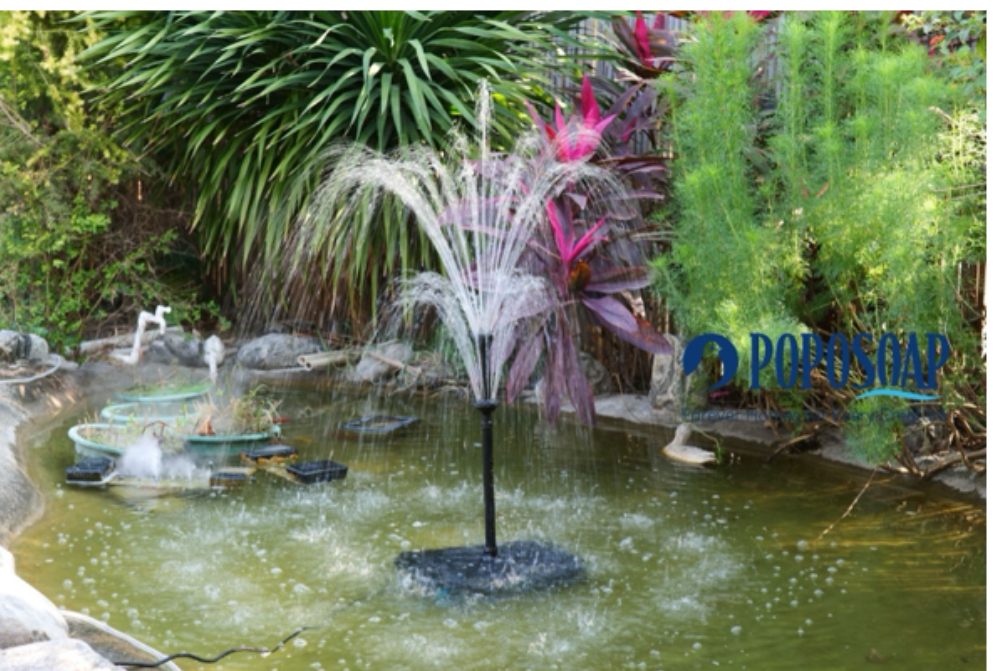
A beautifully designed garden pond brings a sense of tranquility and natural beauty to any outdoor space. Whether it is a small koi pond tucked in a backyard corner or a large water feature cascading over rocks, the soothing sight and sound of flowing water can transform an ordinary garden into a peaceful oasis.
But beneath the surface of this beauty lies a delicate system of components working tirelessly to keep the water clear, the fish healthy, and the overall ecosystem thriving.
Among these components, pumps and filters are the true unsung heroes of garden ponds. While plants and decorative stones may draw the eye, it is the quality of the water that determines whether a pond will flourish or fail. And maintaining water quality is only possible with the right pump and filtration system.
Contents
Why pond pumps are the backbone of your water feature
Think of the pond pump as the heart of your water feature. Just as a heart circulates blood through a body, a pond pump keeps water moving through your pond, supplying oxygen to aquatic life and carrying waste toward the filtration system. Without a reliable pump, water becomes stagnant, oxygen levels drop, and algae and bacteria begin to dominate.
More than just circulation, pumps also drive other crucial aspects of pond maintenance. They power waterfalls and fountains, assist in the oxygenation process, and help distribute nutrients evenly throughout the pond. For those who keep fish, this circulation is vital for their health and well being. Properly circulating water maintains a balance in temperature and helps prevent harmful buildup of toxins like ammonia or nitrites.
In a pond that includes a waterfall or stream, the pump becomes even more essential. It lifts water from the pond basin back up to the top of the waterfall, allowing it to cascade back down in a continuous loop. This movement adds both visual drama and functional aeration.
Understanding the Role of Pond Filters
While pumps are the muscle behind a healthy pond, filters act as the cleansing organs. Filters work in tandem with pumps to remove solid debris, excess nutrients, and harmful chemicals from the water. Without proper filtration, ponds can quickly turn murky and foul smelling, threatening the health of fish and plant life.
There are two main types of pond filters: mechanical and biological.
- Mechanical filters physically trap debris such as leaves, algae, and fish waste.
- Biological filters use beneficial bacteria to break down harmful compounds in the water.
The best pond systems utilize a combination of both. Mechanical filtration handles the visible waste, while biological filtration ensures that invisible toxins are neutralized.
The Connection Between Pumps and Filters
It is important to understand that pumps and filters are not standalone components. They function best as a coordinated system. The pump sends water to the filter, where it is cleaned before returning to the pond. If the pump is too weak, the filter will not receive enough water to do its job. If the filter is too small, it will become clogged and inefficient, even with a powerful pump.
The key to success is selecting pumps and filters that are correctly sized and matched to your pond’s volume, fish load, and desired features. When these components are properly integrated, they form a cycle of movement and cleansing that keeps the pond in balance year round.
Choosing the Right Pump for Your Pond
Not all pond pumps are created equal. Choosing the right one depends on several factors including the size of your pond, the presence of a waterfall or stream, and whether you keep fish.
Here are the main types of pond pumps:
- Submersible Pumps – These are placed directly in the pond and are ideal for small to medium sized water features. They are easy to install and maintain.
- External Pumps – Positioned outside the pond, these are more powerful and energy efficient. They are better suited for large ponds and complex setups with multiple water features.
- Fountain Pumps – Designed to power decorative fountainheads. These usually have lower flow rates and are best for aesthetics.
- Waterfall Pumps – These provide higher flow rates to push water up elevated waterfalls or streams.
When selecting a pump, you should aim for a flow rate that circulates the entire pond’s volume at least once every hour. For example, a 1000 gallon pond needs a pump that can move 1000 gallons per hour. If you have a waterfall or plan to include fish, you may need a higher capacity.
You must also consider head height, which is the vertical distance the pump needs to lift water. The greater the height, the stronger the pump needs to be.
Summer Splash Savings : August 1st to 15th
Get ready to splash into savings with our limited-time Summer Sale from August 1st to August 15th! Enjoy a flat 15% OFF on all items, and there’s more: the first order of the day under or equal to $100 gets 100% cashback in gift cards!
This is your perfect chance to upgrade your pond setup for less. Explore the best in pumps, filters, and accessories including the high-performance Poposoap solar water pump on our Summer Sale 2025 page and transform your garden into a stunning sanctuary.
What to Look for in Pond Filters
The right filter ensures your pond remains healthy and crystal clear. Here are key considerations when choosing a pond filters:
- Capacity – The filter must be rated to handle your pond’s volume. It should also take into account the number of fish and plants.
- Type of filtration – Look for filters that combine mechanical and biological processes. This dual action will keep the water clean and safe.
- Ease of maintenance – Choose a filter system that is easy to access and clean. Some models come with backflush systems that reduce maintenance time.
- UV clarifiers – Many high end filters include ultraviolet lights that kill algae spores. This is especially helpful in preventing green water.
Matching your filter to your pump is crucial. The pump should push water at the rate your filter is designed to process. A mismatch can result in under or over filtration.
Common Mistakes to Avoid
Many pond owners make the mistake of underestimating the importance of the pump and filter system. Some common pitfalls include:
- Undersized pumps – A small pump may save money initially but can lead to stagnant water and unhealthy conditions.
- Clogged filters – Neglecting filter maintenance can lead to blockages that reduce water flow and damage the pump.
- Incorrect placement – Pumps and filters should be positioned to promote good water circulation. Dead zones with no movement are breeding grounds for algae.
- Neglecting winterization – In colder climates, pumps and filters should be removed or winterized to prevent damage from freezing.
Avoiding these mistakes starts with investing in quality equipment and understanding how your pond ecosystem functions.
Enhancing Pond Aesthetics with Proper Equipment
Beyond health and maintenance, pumps and filters play a huge role in enhancing the aesthetic value of your pond. A strong pond waterfall pump not only supports circulation but adds movement and sound that attract birds and offer natural ambiance. Similarly, a well integrated water fall pond pump creates continuous flow that makes your garden feel more alive and dynamic.
The peaceful bubbling of a fountain or the cascading water over stones would not be possible without the proper pumps for ponds and waterfalls. These elements bring elegance and sophistication to outdoor landscaping. At night, when paired with lighting, they become magical focal points for your garden.
Crystal clear water also makes a world of difference. Murky ponds hide the beauty of koi fish and aquatic plants. Effective pond filters ensure your pond remains inviting, both to look at and to sit near.
Eco Friendly and Energy Efficient Options
As sustainability becomes a growing concern, many manufacturers now offer energy efficient pumps and filters. These models reduce power consumption without sacrificing performance. Over time, they lower your electricity bill and reduce the environmental footprint of your pond.
Some systems also include solar powered pumps, which are ideal for small water features or areas where electricity is hard to access. While solar models may not match the power of traditional pumps, they are a great option for decorative or wildlife ponds.
Biological filters also support eco friendly practices by using natural bacteria instead of chemicals to purify the water.
Maintenance Tips to Keep Your System Running Smoothly
To keep your pond pump and filter system working efficiently, regular maintenance is essential. Here are some best practices:
- Clean pump intake regularly to prevent clogs from debris
- Rinse mechanical filter pads weekly or as needed during high debris seasons
- Monitor water flow and listen for unusual pump sounds that may signal blockage or malfunction
- Inspect tubing and connections for leaks and secure fittings
- Winterize your equipment if temperatures drop below freezing
With proper care, a high quality pump and filter system can last for many years, offering consistent performance and peace of mind.
Key Takeaways
A garden pond is more than just a beautiful water feature. It is a living, breathing ecosystem that requires balance, care, and the right technology to thrive. While the surface may reflect calm serenity, it is the underlying system of pumps and filters that ensures the pond remains healthy, clear, and alive.
By understanding the importance of these components and choosing high quality, well matched equipment, you can prevent common problems like algae blooms, murky water, and poor circulation.
Let your garden pond shine as a centerpiece of your outdoor space, supported by the invisible but essential work of your water fall pond pump and filtration system. These truly are the unsung heroes that make everything possible.